Social in Six 102
1. Meta is testing ads for its Meta AI chatbot
The story:
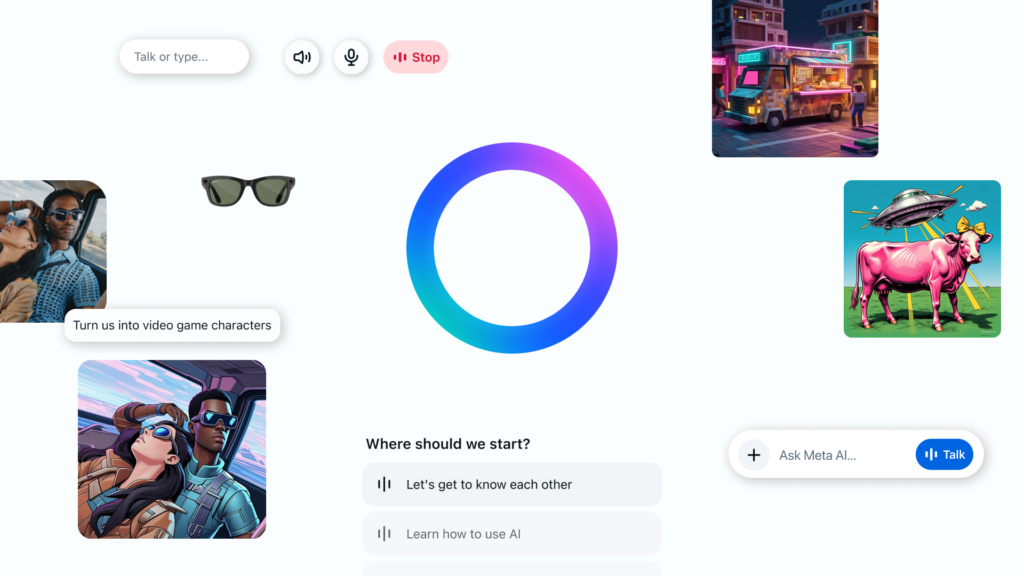
- According to Bloomberg, Meta is testing a new shopping feature within its Meta AI chatbot that provides product recommendations based on user prompts.
- Similarly to OpenAI’s ChatGPT ads, when prompted by a shopping-related query, the tool displays results in a carousel format that includes product images, prices, brand details and links to external retail websites.
- The feature is reportedly being trialled with a limited group of web users in the US.
So what?
Meta has a huge advantage here with the years of data it’s already learned about you. Your interests, follows, past activity, all of which could potentially feed into hyper personalised product suggestions. This isn’t about creating conversions (yet). The tool sends users to merchant sites to complete purchase, reinforcing Meta’s core model of driving traffic and monetise discoverability. Google owned the “search before you buy” moment historically, but with Open AI’s ChatGPT ads and now Meta’s tool, there’s a race to owning the AI ask before you buy.
2. TikTok has launched the Local feed in the US
The story:
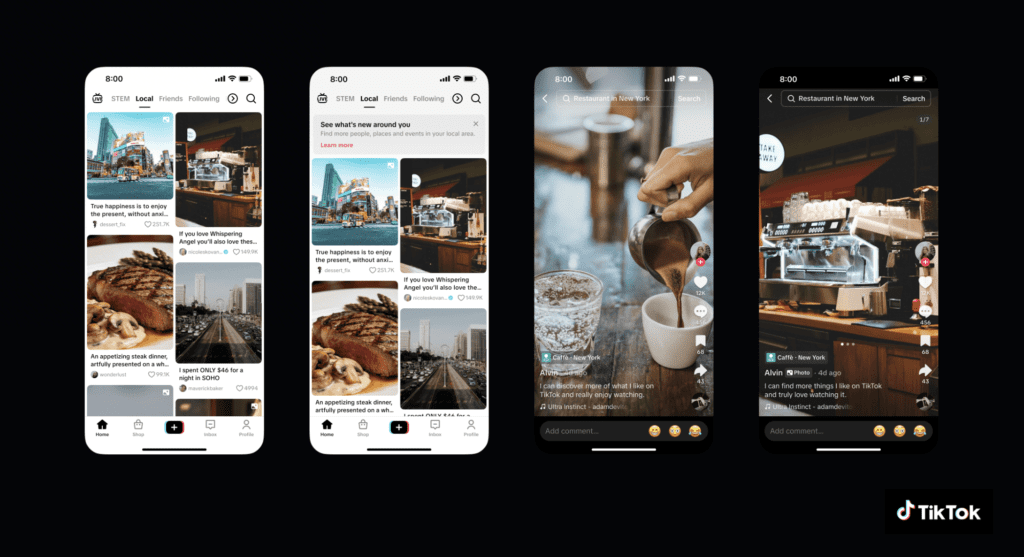
- After launching variations of the feature in South East Asian markets in 2022 and in European markets last year, TikTok has rolled out the Local feed to US users, designed to surface content related to nearby events, restaurants, travel spots, shopping and local creators.
- The feed appears as a new tab on the TikTok home screen and shows organic posts based on a user’s location, the topic of the content and how recently it was posted.
- TikTok says users sharing their precise location data will “help power” the Local feed, but this location sharing feature is turned off by default. Posts from private accounts and users under 18 are excluded from the Local feed.
So what?
This isn’t going to be massive not just for small businesses, but global brands that are asking themselves how to get more localised and reach their target audience where they are. Partnering with in-market creators, you’re looking at a way to ensure your videos are reaching an audience who are open to real time discovery.
Make sure your keywords are optimised, as they’re going to be critical here as TikTok leans into being a local search engine tool.
3. Meta has updated its ad metrics to align with other platforms
The story:
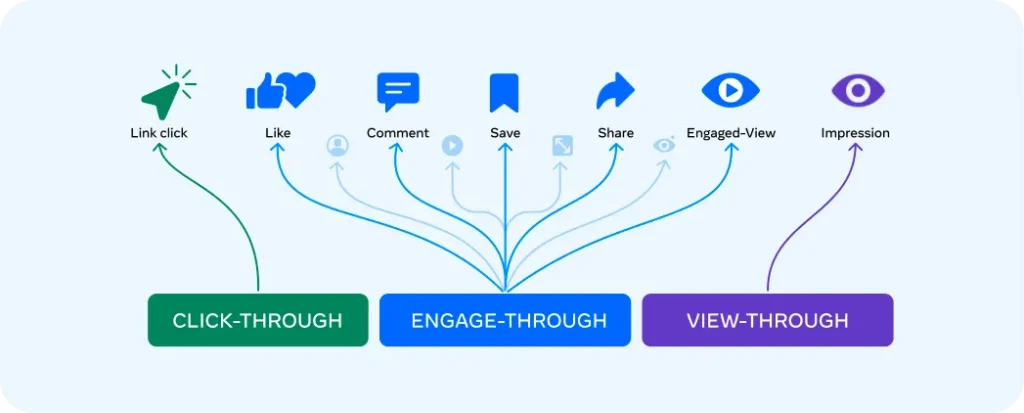
- The platform is adjusting its link clicks metric to only include actual external link clicks on an ad, as opposed to other types of clicks (shares, saves, and likes) which better aligns reporting data with platforms like Google Analytics. This is rolling out later this month for campaigns optimising for website or in-store conversions.
- Engagement metrics like shares, saves, comments and likes will instead fall under the new Engage-Through metrics, formerly known as Engaged View attribution.
- It’s also shortening the time it takes to count an engaged view for a video ad from 10 seconds to five seconds, stating 46% of online purchase conversions happen in the first two seconds of attention on Reels video ads.
- Meta says the updates will roll out gradually within Ads Manager and related reporting tools.
So what?
This might mean your ad performance numbers might suddenly look worse, but it doesn’t mean your ads are actually performing worse. It’s just Meta getting stricter and more comparable with other reporting tools, like Google Analytics, which is good for more accurate reporting.
But that also means your historic data might start seeming a little..messy, as you start trying to report on end of campaign or quarter numbers, purely just based on the measurement change. Lots of caveats in decks coming your way.
Creative is key here, and Meta is showing that, highlighting that shares, saves, and comments are proving higher value than a clicked link.
4. Pinterest has released tips for making product Pins more engaging

The story:
- Pinterest’s latest blog provides tips on making ad creative work harder, including investing in lower-funnel activity like product shots in order to secure conversion at the point of purchase decisions.
- The platform also highlights the shopping journey on Pinterest is built around ideas and journeys instead of SKUs and product grids, with more than half of Pinners saying they use the platform to shop.
- Finally, Pinterest points out that many brands’ creative systems haven’t kept up with the rapid pace of automation systems like bidding, targeting and optimisation, resulting in mismatched ad targeting.
So what?
Pinterest is basically calling out that brands don’t consider the context of a shopping ad. Pinterest wants brands to consider ideas, moods, and use cases for brands ads, which makes sense when thinking about the overall usage of Pinterest.
However, this doesn’t mean you need another thing on your to-do list. Creating templatised formats that can be repeated throughout the year with different seasons or moments is a great way to keep your content feeling fresh.
5. Some creators aren’t happy with Instagram’s latest shopping feature
View on Threads
The story:
- Some creators have voiced frustration over Instagram’s latest AI-powered shopping experiment Shop The Look, which automatically labels and displays products in creator content without their consent.
- Instagram confirmed Shop the Look was in testing in Februrary 2026, after Instagram creator Julia Berolzheimer’s followers spotted the overlay appearing on her Reels without her involvement.
- The feature pulls products from “business catalogues,” and uses advanced AI visual recognition to identify and display similar products on creator content when a user taps through. Meta does not make any commissions on the test products.
So what?
Trust between creator and an audience can get a bit convoluted here, so this is one to keep in mind. Creators typically have exclusivity clauses with brands, and this feature has potential to be in breach of those clauses, showing products that the brand partner hasn’t approved.
We’ve seen it in the above story on Meta testing AI chatbots in shopping, and Instagram’s new shopping feature is another example of upcoming trials and AI products we can expect from Meta in the shopping sphere.
6. X is up against government scrutiny again as it tries to control Grok usage
X users can now block other people from using Grok to edit photos they post.
— Pubity (@pubity) March 6, 2026
Hit Edit Image, then Content Flag, then enable "Block modifications from Grok". This currently works on iOS and will soon roll out on other platforms. pic.twitter.com/7LJF4UEF4Q
The story:
- X has quietly introduced a new toggle feature that lets users stop its generative AI chatbot Grok generating images based on photos they upload.
- The update comes hot on the heels of backlash from the UK government after Grok’s “unhinged mode” produced racist responses and offensive remarks in user interactions, which quickly circulated on the platform.
- The incidents have prompted renewed government scrutiny of X and its AI tools, with regulators and public officials questioning whether the platform has adequate safeguards in place to prevent harmful AI-generated content.
So what?
Grok’s controversies are increasingly making X more and more complicated to navigate for brands. As we’ve reported previously, brands are starting to move away from X, and this is more of a reason to reconsider your X strategy if you’re still active there.
While the real-time conversation is great for social listening and customer feedback from your audience, we’ve seen brands start looking towards Facebook, Instagram Broadcast Channels, or even TikTok’s text-based static images when focusing on text-based content.
![SOCIAL IN SIX [102]](https://www.socialchain.com/wp-content/uploads/2026/03/Podcast-Artwork-1_1@2x-5.png)


Like this? Read more